Electrical projects can become difficult to coordinate when design inputs, procurement, installation, testing, and commissioning are divided among multiple parties without clear responsibility.
For certain projects, Turnkey Electrification Works provide a more coordinated approach by bringing major electrical execution activities within a defined project structure.
What Does Turnkey Electrification Typically Cover?
The scope depends on the facility and contract, but turnkey electrical work can include:
- Project planning
- Electrical distribution requirements
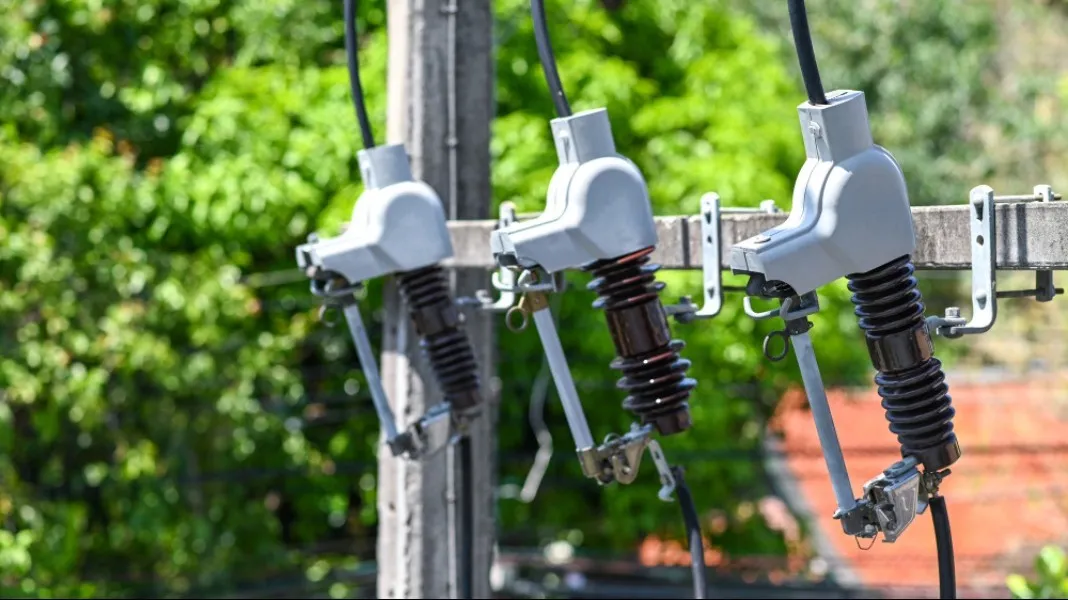
- HT and LT works
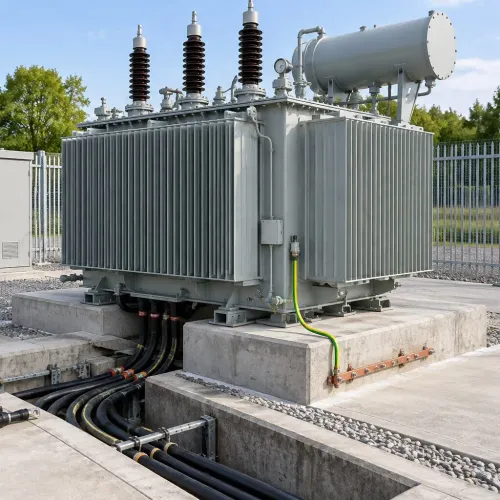
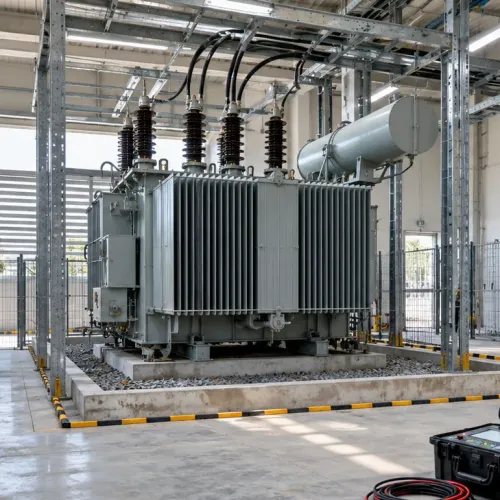
- Transformer installation
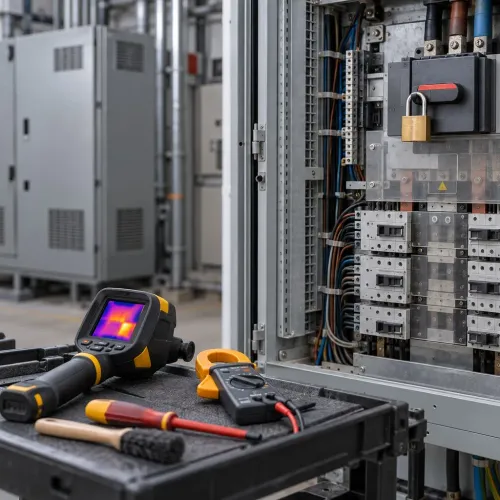
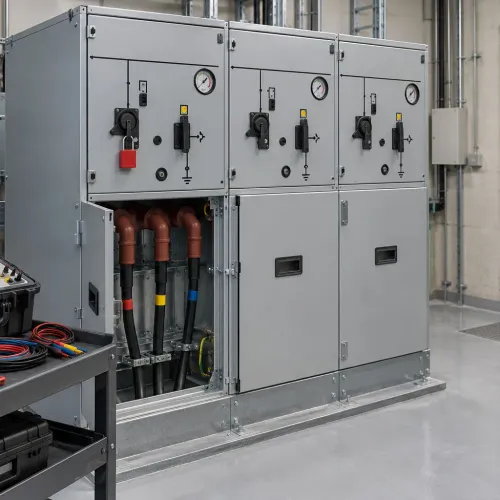
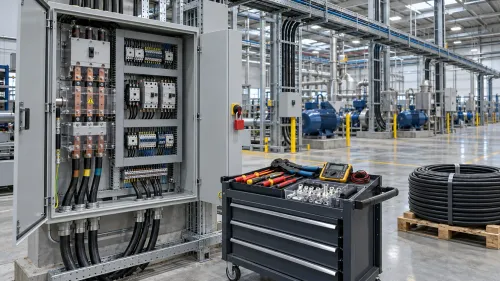
- Panel installation
- Cable laying
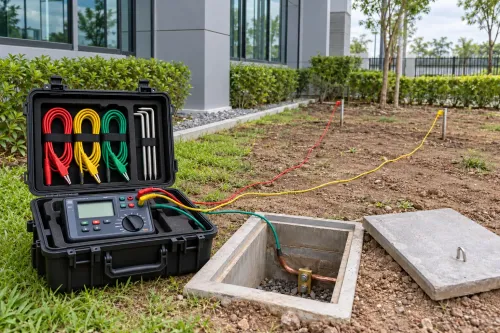
- Earthing
- Lighting and power systems
- Testing
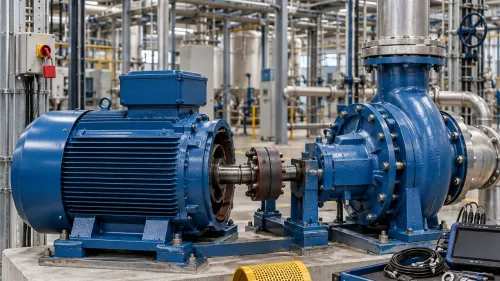
- Commissioning
- Project handover
Before awarding work, businesses should clearly establish which activities and materials are included.
When Is the Turnkey Model Useful?
A turnkey approach can be suitable when developing a new industrial unit, commercial facility, warehouse, institution, or major expansion.
It can also help when the project owner wants fewer coordination points for interconnected electrical activities.
Benefits of Coordinated Responsibility
When electrical activities are managed through a structured execution model, it can improve:
Coordination: Interdependent tasks can be scheduled together.
Accountability: Responsibilities are easier to identify.
Technical compatibility: Panels, transformers, cables, and other systems can be considered as parts of one installation.
Project visibility: Owners can track progress against a consolidated electrical scope.
Navyashree Engineers Private Limited undertakes electrical project requirements in Bangalore for commercial and industrial applications, including turnkey-related electrification activities.
What Should Clients Confirm Before Awarding Work?
The contract should clearly identify technical specifications, materials, execution responsibilities, testing procedures, project schedule, documentation, exclusions, and handover requirements.
Clients should also discuss future expansion requirements. Designing electrical infrastructure only around immediate loads may result in modifications when the facility grows.
For businesses planning projects in Bangalore and elsewhere in Karnataka, turnkey electrification can be valuable when the scope is technically complex and multiple electrical systems must work together.
The key is choosing an execution partner capable of managing the complete scope systematically rather than simply bundling separate electrical activities under one quotation.
Keywords